Massachusetts sets a Dec. 31 deadline for at-risk colleges to warn students
Private colleges that might not have enough money to stay open will have to tell students every year. The new rule follows two abrupt closures this spring.
Massachusetts colleges that might run out of money will have to tell their students. Every year, by December 31. The Board of Higher Education announced the new requirement at its meeting Tuesday.
The rule covers schools the state deems “at risk of imminent closure” — the department’s term for a college that might not have the resources to meet its obligations for the next 18 months. Under existing rules, schools must already alert regulators when they are in financial trouble. This adds a hard annual deadline and puts the warning in front of students and families, not just the state.
Noe Ortega, the state’s outgoing higher education commissioner, said the department will also improve financial training for the leaders of at-risk private schools and hire outside accounting and finance experts to help judge how healthy those schools really are.
The timing is the point. A department presentation said college leaders often wait until spring deposit deadlines before deciding whether they have the money to survive another year. Ortega said the December deadline “better positions” the department to protect students, many of whom make their college decisions as the spring term approaches.
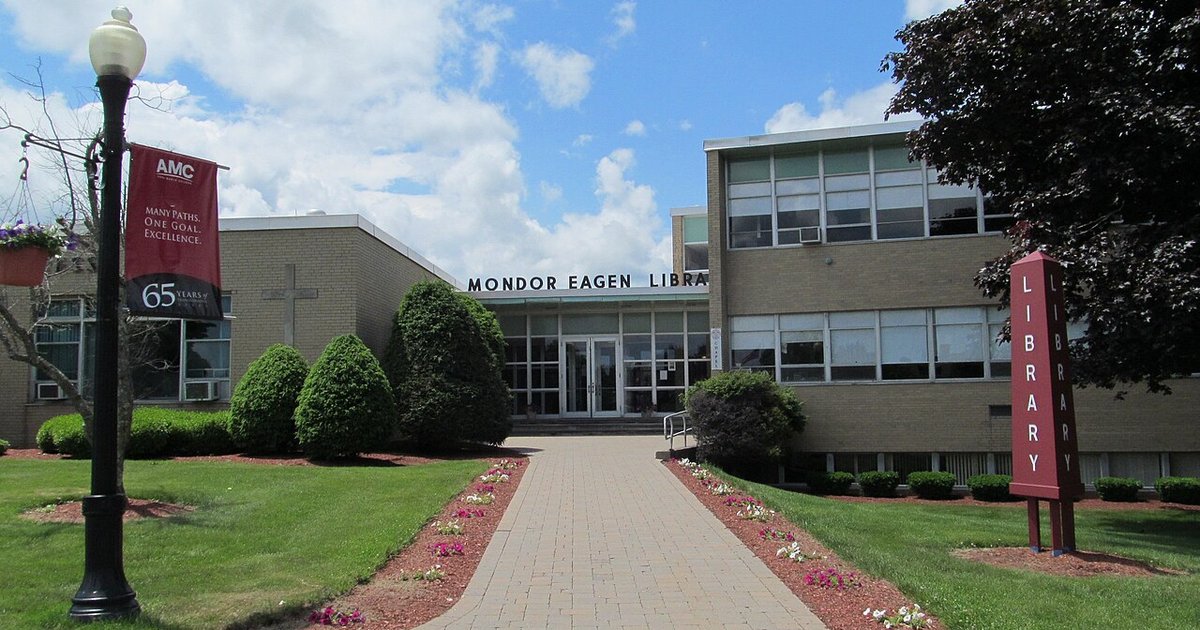
The changes follow two high-profile closures announced in April. The department warned in early April that Anna Maria College in Paxton might not have the resources to get through another academic year. Less than two weeks later, the college said it would shut down at the end of the spring term, weeks away. It had operated for 80 years.
Hampshire College announced its own closure the same month, planning to wind down after the fall 2026 term. The state had issued no advance warning about Hampshire. Over the summer, the college nearly ran out of money before securing a multimillion-dollar loan to fund its wind-down.
“We made commitments over the summer to circle back and begin to review our own processes in order to improve them,” Ortega said, pointing to the department’s Financial Assessment and Risk Monitoring process. He said colleges need to line up transfer and teach-out partners early — well ahead of a closure — so students have a landing spot when a school goes under.
That planning is tricky. Ortega noted that faculty and students often leave a college once a closure is announced, which “puts a tremendous amount of pressure on the operating budgets.” The department wants to account for those costs before a closure happens, not during one.