Taxpayer-funded pro-Trump ads near $1.5 million, drawing criticism from both parties
Three spots praising the president have aired on TV and streaming services during football programming. The White House calls them public service announcements; critics in both parties call them propaganda.

Three taxpayer-funded television ads glorifying President Donald Trump have aired in less than a week, and the bill is approaching at least $1.5 million in public money. The spots have run on network and cable TV and on streaming services, including during college football and National Football League programming.
The White House says the ads are public service announcements, no different from ones run by past administrations. “Don’t let the Fake News get away with their lies about our epic Public Service Announcements that have been running on tv,” White House communications director Steven Cheung wrote on X on Sunday.
The administration published a list of PSAs from recent Democratic and Republican administrations to make its case, including a Bush-era Medicare law spot, Obama-era ads promoting Affordable Care Act subsidies, and Biden-era ads promoting Covid-19 vaccinations. “The announcements are very clearly not campaign ads; President Trump is not on the ballot and there is no call to action,” the White House wrote. “Instead, the announcements are a reminder for Americans to love their country and know why it’s worth defending—at home, at the border, and abroad.”
What the ads show
The first spot, which began airing last Wednesday, shows Trump talking about defeating communism, with onscreen text touting “the largest tax cuts in history,” “reigniting American manufacturing” and a call to “defend law and order and police.”
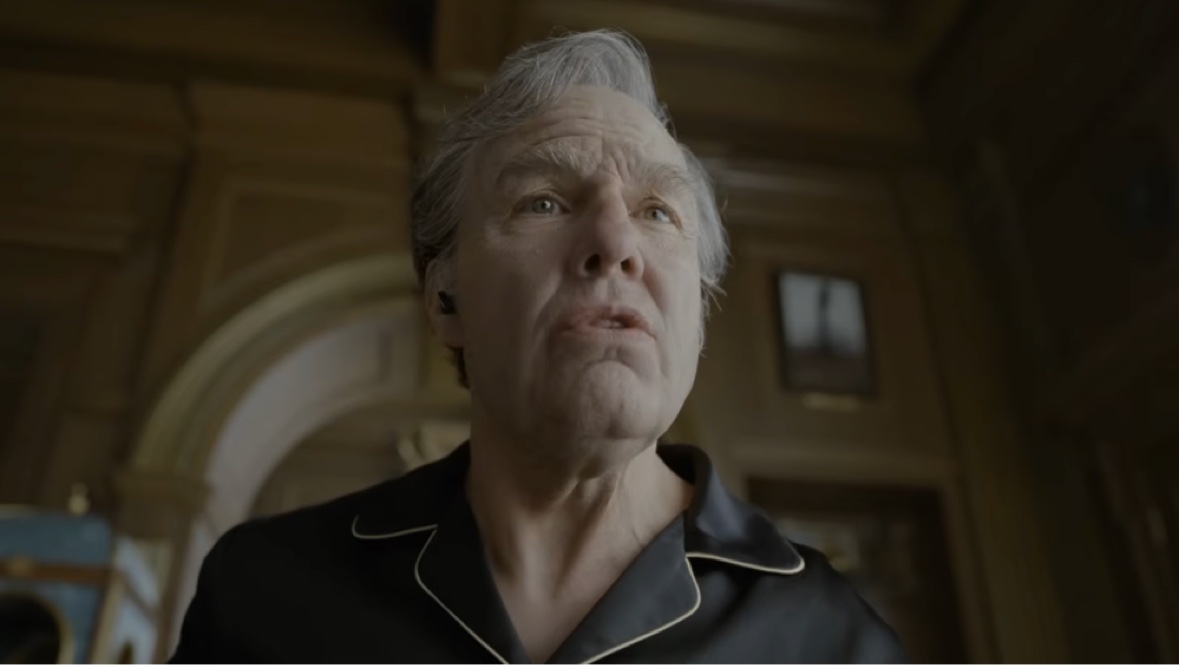
The second ad shows Mount Rushmore at night, with clips from Trump’s Fourth of July weekend speech there marking the country’s 250th anniversary. The third, which first aired over the weekend, is nearly identical to a 2024 campaign ad: Trump walks down a hallway while his voice warns of a “final battle” against “globalists” and “warmongers.”
All three end with the line: “Paid for by the US Government.” The White House has not said which part of the government is paying.
Media tracker AdImpact puts the spending so far at more than $1.4 million across TV networks nationwide. The actual figure could be significantly higher, depending on how the networks classified the ad buys.
The criticism
The criticism built through the week, and some of it came from the president’s own party. Senate Majority Leader John Thune, a South Dakota Republican, told reporters Monday: “It shouldn’t be paid for with taxpayer dollars.”
Sen. Mike Rounds, also a South Dakota Republican, said: “It would not have been something that I would have done. And I know that the White House is not covered by the same guidance that we are, but it’s not something that I would have done.”
Sen. John Kennedy of Louisiana said Sunday on CBS’s “Face the Nation” that no public official should spend public money on private ads for themselves. Rep. Thomas Massie of Kentucky wrote on X: “Don’t worry, using taxpayer dollars to run ominous campaign ads of the President has been done before and is completely legal…in banana republics.”
Democrats were sharper. Top Democrats on the Senate and House appropriations committees wrote to the White House last week demanding the ads be taken down and asking how much was spent to make and air them. Senate Minority Leader Chuck Schumer said Monday on the Senate floor that the latest spot was “an absolute violation of what a democracy is supposed to look like.”
“Americans sat down to watch football, not to be force-fed Trump’s propaganda on their own dime,” Schumer said.
Is it legal?
Legal experts consulted by The Associated Press said the ads appear to violate two federal statutes: one that bars congressionally appropriated money from being used for “publicity or propaganda,” and another that limits partisan political activity by government employees.
Their argument comes down to what the ads do and don’t do. The Bush, Obama and Biden spots the White House cited all pointed the public toward specific government programs. These ads don’t, the experts said. “These ads are nothing more than government propaganda, aimed at helping Trump,” said Kathleen Clark, a legal ethics professor at Washington University in St. Louis.
Richard Painter, the chief White House ethics lawyer under George W. Bush, put it more bluntly: “You watch all three ads, they’re sheer propaganda.” Painter said the Bush-era Medicare campaign itself toed the line on appropriateness because it included misleading claims about Medicare Part D — but that Trump’s ads are “a far more egregious violation” of the publicity-or-propaganda statute. “There’s nothing in here about a particular policy that’s at all focused,” he said. “One of them is just about the evils of the deep state. Another one of them is about communists and Marxists.”
The White House also pointed to deeper history: the administrations of Woodrow Wilson and Franklin D. Roosevelt, both of which used posters, radio and film to rally the public during the world wars. James Kimble, a Seton Hall University communication professor who studies domestic propaganda, said that history cuts both ways. “By almost any objective measure, looking back, we find what they did pretty repulsive,” he said.
What comes next
It is unclear what happens next. Both chambers of Congress are led by Republicans, so any formal oversight would have to come from the president’s allies — which makes hearings or other accountability efforts before November’s midterm elections unlikely. The Republican chairs of the Senate and House appropriations committees did not respond to the AP’s requests for comment.