Toyota to Build Waymo's Next Robotaxis, Starting in Japan in 2027
Toyota will build the 2027 bZ4X and fit Waymo's self-driving hardware at its Takaoka plant in Japan. Testing starts in Japan in 2027, with the UK and other Waymo markets to follow.
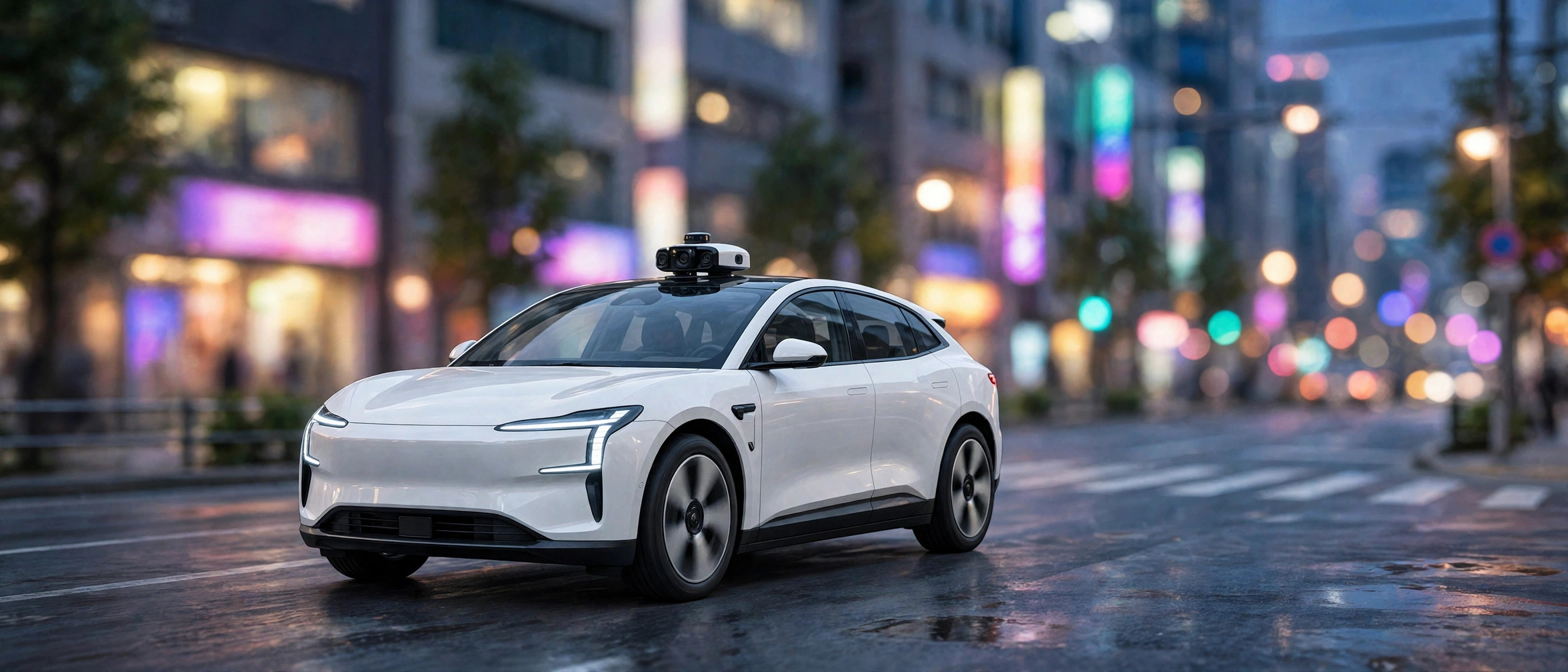
Toyota will build Waymo's next robotaxi. The two companies announced Friday that Toyota will manufacture the 2027 bZ4X electric SUV and integrate Waymo's self-driving hardware at its Takaoka plant in Toyota City, Japan. Initial operations to test and validate the fleet will begin in Japan in 2027.
The announcement turns an 18-month-old preliminary agreement into a production plan. Toyota and Waymo signed that agreement in April 2025 to explore an autonomous vehicle platform. It had no vehicle, no factory and no schedule attached to it. This one has all three.
The vehicle is a custom version of the bZ4X, built for ride-hailing. Toyota says the entire process will take place under one roof at Takaoka, from assembling the base vehicle to fitting Waymo's autonomous driving hardware. The companies describe the result as a fully autonomous, Level 4 vehicle.
The car is fitted out for passengers, not drivers. Toyota lists generous rear legroom, automatic doors, a power liftgate and ambient lighting, meant to make getting in and out straightforward.
What is not announced yet
No fleet size, first city or passenger-service date was announced. The concrete commitment is the test fleet in Japan in 2027. Deployment to the UK and other markets where Waymo operates is planned for the following years, but no date was given for those markets.
That distinction matters in London. Waymo has been testing its Jaguar I-Pace vehicles there for months, and TechCrunch reports it plans to launch a robotaxi service in the city once it receives the necessary permits. This announcement does not change that: the UK is a next step, not a launch.
Toyota frames the Japan fleet as paving the way for the country's first domestically manufactured fully autonomous ride-hailing service, using high-volume vehicles built in Japan. That is the companies' goal for the program, not a service that opens in 2027. The 2027 work is testing and validation.
Waymo co-CEO Dmitri Dolgov said the company chose Toyota for the safety, reliability and quality of its vehicles. He also said that in areas where Waymo operates, its vehicles have shown up to 20 times fewer serious crash injuries than human drivers, a company figure, not an independent finding.
Toyota board member and executive vice president Hiroki Nakajima said safety technology makes the biggest difference when it reaches as many people as possible. He said Toyota will keep exploring how integrating vehicles with traffic infrastructure can make roads safer.
Beyond robotaxis, the companies said they will keep exploring autonomous driving technology for personally owned Toyota vehicles. They also plan, alongside Woven by Toyota, to explore other initiatives using insights from Waymo's real-world operations to improve safety for other road users. No timeline was given for either idea.
For now, the deal is narrow and specific: one factory, one model, one test fleet in Japan next year. The wider rollout comes after that, if the testing goes as planned.