Voters Reject Data Centers in 40 of 41 Ballot Measures
Voters in 10 states backed bans, moratoriums and new limits on the buildings that power artificial intelligence. Only one measure went the industry’s way.
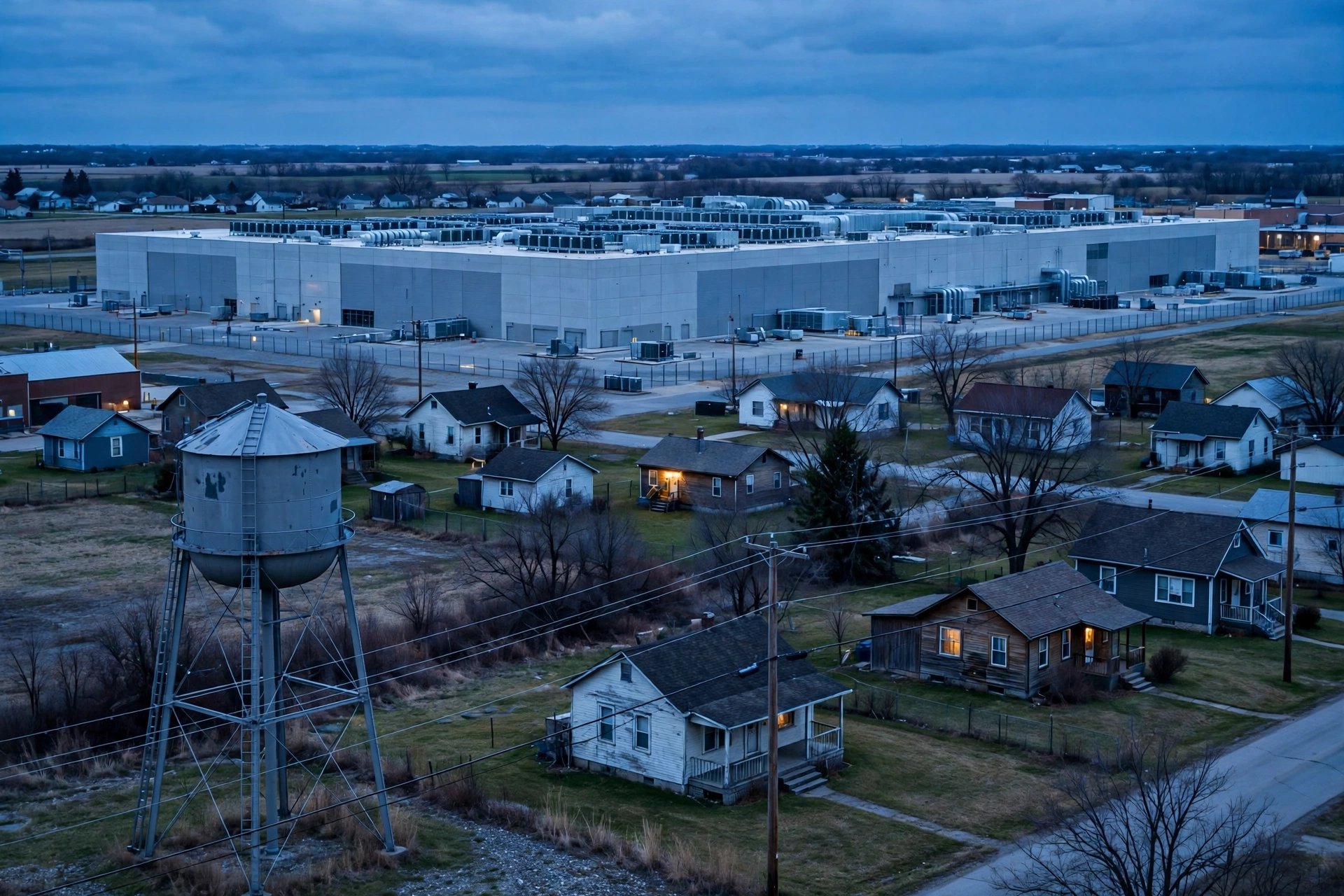
Voters in 10 states said no to data centers on Tuesday. Of 41 local ballot measures on the buildings that power artificial intelligence, 40 went against the industry, according to a Ballotpedia count cited by CNBC. The results are still unofficial.
The measures took different forms. Some banned new data centers outright. Others imposed moratoriums, new zoning rules or a public vote before large projects can go ahead.
Ohio had the most at stake. The state held 21 of the 41 measures, and every jurisdiction with reported results voted against development. In Wilmington, voters rejected four rezoning proposals tied to data center projects by about 80 percent to 20 percent. In Hubbard, more than three-quarters of voters approved a ban. Voters in Defiance, Granville, Sunbury, Pataskala, Piqua and Conneaut approved bans on facilities above 25 megawatts.
In Piqua, where Meta plans a data center on about 607 acres, the ban passed 66.7 percent to 33.3 percent. In Trenton, voters approved a ban by about 80 percent to 20 percent. The measure was aimed at an 18-building Amazon Web Services campus, though a smaller AWS campus already under construction nearby is unlikely to be affected.
The vote stretched beyond Ohio
Voters in California, Florida, Illinois, Kansas, Maine, Nevada, New Jersey, North Dakota and Wisconsin also faced measures. Alhambra, California, voted to ban data centers. Edgewater, Florida, voted against any new ones. El Dorado approved a 10-year ban on high-impact facilities by 71 percent to 29 percent. In Joliet, Illinois, 79 percent of voters said no to an advisory question on approving AI data centers. In Morgan County, 88 percent backed restrictions.
The only exception was Harwood, North Dakota. There, voters rejected a charter amendment that would have required an independent review and a public hearing before large industrial projects, including data centers, could be approved. The vote was 325 to 105.
The pattern held through the year. Counting six votes decided earlier in 2026, 46 of the 47 measures decided this year have favored limits. In April, voters in Monterey Park, California, approved a ban by 88.3 percent.
A warning from the ballot box
The issue reached beyond local races. In an NBC exit poll, 56 percent of voters said AI and data centers were a crucial or major factor in their vote. Of those voters, 64 percent voted for Democrats. In Texas, Gina Hinojosa beat Governor Greg Abbott after promising a moratorium on new data center construction. In Georgia, Keisha Lance Bottoms won the governor’s race after calling for a pause.
Investors noticed. Nasdaq-100 futures fell 0.8 percent overnight, CNBC reported. Shares in the AI cloud company CoreWeave dropped 7 percent and Oracle fell 4 percent in overnight trading. Goldman Sachs estimates that about 45 percent of planned data center capacity in the United States sits in states that could tighten regulation.
Some of the measures are advisory, and not binding on local officials. Jim Bianco, an investor, told CNBC the measures were “non-binding” but said politicians would heed the message. Backers of the industry say the facilities are needed to meet demand for artificial intelligence, and that the largest builders — Alphabet, Amazon, Microsoft and Meta — are spending hundreds of billions of dollars a year on the infrastructure.
OpenAI answers with a pledge
OpenAI responded on Thursday with a set of commitments for the data centers it owns and operates. The company said it will pay the full cost of the electricity and infrastructure its future campuses need, and stop signing nondisclosure agreements with public officials. It also promised to publish construction plans and disclose how much water and power each site uses.
The company published the pledges in a document it calls the National Community Compact, along with a policy blueprint that urges lawmakers to write the same rules into law. OpenAI said voluntary pledges cannot give communities lasting assurance on their own. The commitments apply to campuses OpenAI owns and runs. They do not cover capacity built by partners.
More votes are coming. Voters in Clarksville, Arkansas, will decide two referendums on December 1 on bonds of up to $50 billion and $5 billion for data center projects. Mandan, North Dakota, votes December 15 on a ban on data centers of 25 megawatts or more.