Newsom Commutes All 548 California Death Sentences
The governor, two months from leaving office, turned every death sentence in the state into life without parole. Most of the cases still need the state Supreme Court’s sign-off.
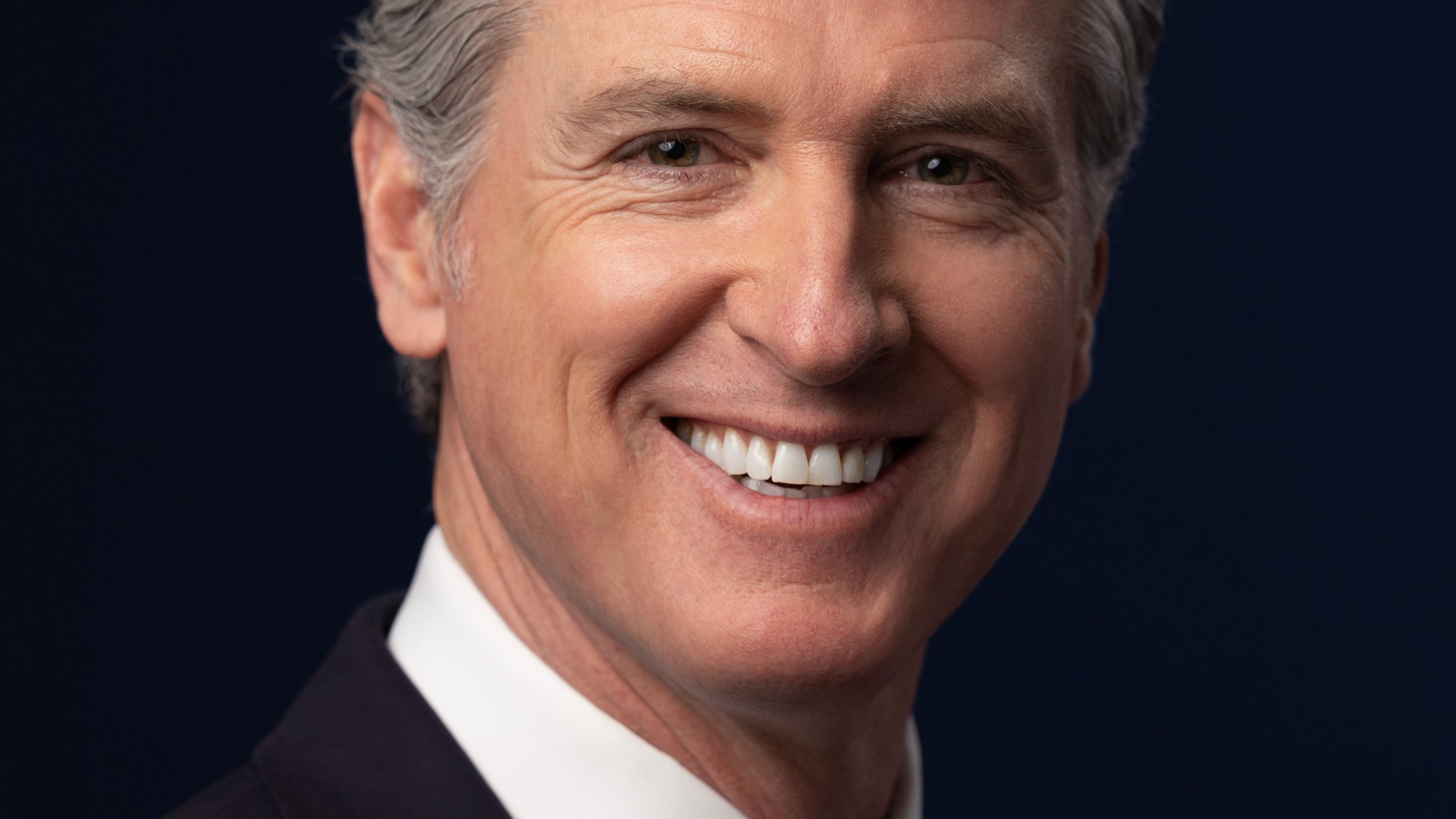
Gov. Gavin Newsom commuted every death sentence in California on Thursday, changing the punishment for 548 people to life in prison without the possibility of parole.
Newsom announced the decision in an open letter to Californians. He called state-sanctioned killing incompatible with the state’s values and said the legal system is too imperfect to carry out executions. “After nearly 30 years in public office, I have come to understand the limits of what government can justly accomplish,” he wrote.
California holds the largest death row in the country. The 548 people on it include 529 men and 19 women, according to the governor’s office. The move is the largest mass commutation of death sentences in American history, according to the Marshall Project. The previous record was 167, set by Illinois Gov. George Ryan in 2003.
The change is not immediate for everyone. California’s constitution requires the state Supreme Court to approve clemency for anyone convicted of more than one felony. That covers 382 of the 548 cases, about 70 percent, according to the governor’s office. The rest take effect on Newsom’s signature alone.
The order does not end the death penalty in California. Prosecutors can still seek it in future cases. Newsom placed a moratorium on executions in 2019, two months after taking office. The state has not carried out an execution since 2006. Voters rejected abolishing the death penalty in 2016 and instead approved a measure meant to speed up executions.
The reaction was split
Supporters praised the decision. The American Civil Liberties Union called it “a historic step towards ending the death penalty in California and across the country.” Jess Nichol, whose sister Polly Klaas was kidnapped and killed in 1993, supported the move. She said she once believed the man who killed her sister deserved execution. “But over time I’ve realized that whether he’s executed has absolutely nothing to do with my recovery or with real public safety,” she said. Fifty murder victims’ family members signed a letter urging Newsom to grant the commutations.
Critics called it a blanket decision that ignored the crimes and the families. Marc Klaas, Polly Klaas’s father, said the move reopens old wounds. “We’re talking about serial killers, spree killers, cop killers, baby killers,” he said. “We’re talking about absolutely the worst people in our society, without a doubt. And he’s putting his energy into commuting these characters?” Sandy Friend, whose 8-year-old son was murdered in 1996, called it “total disrespect for the victims. It’s a slap in the face.”
San Luis Obispo County District Attorney Dan Dow urged Newsom last month to reject a blanket commutation and weigh each case on its own. “Justice is always individualized,” he said. Anne Marie Schubert, a former Sacramento district attorney who now leads the Criminal Justice Legal Foundation, said she plans to sue. Opponents are expected to argue that a blanket commutation breaks the law and that each case must be considered on its own merits.
The timing
Newsom leaves office in January. He is widely reported to be considering a run for president in 2028. The commutation comes as the death penalty faces fresh scrutiny after Tennessee’s failed execution of Christa Pike in late September. Florida, Alabama and Indiana all had executions scheduled for Thursday.
Among those whose sentences were commuted are Richard Allen Davis, convicted of kidnapping and killing 12-year-old Polly Klaas; Randy Kraft, convicted of 16 murders; Charles Ng, convicted of killing 11 people in the 1980s; and Cary Stayner, convicted of murdering four women near Yosemite National Park in 1999.
Newsom acknowledged the pain the decision would cause some families. He called it “among the most difficult” of his career, not because he thought it was wrong, he said, but because of the memories it may stir. “I deeply respect the views of those who will strongly disagree with my decision, including some families of victims who have suffered the worst possible loss,” he wrote.