Ex-OpenAI Engineer Held Without Bail in Saudi-Linked Bugging Case
A federal judge in San Francisco found a “significant” flight risk after prosecutors described the engineer’s contacts with a Saudi royal family member and a Saudi-paid one-way flight for his family.
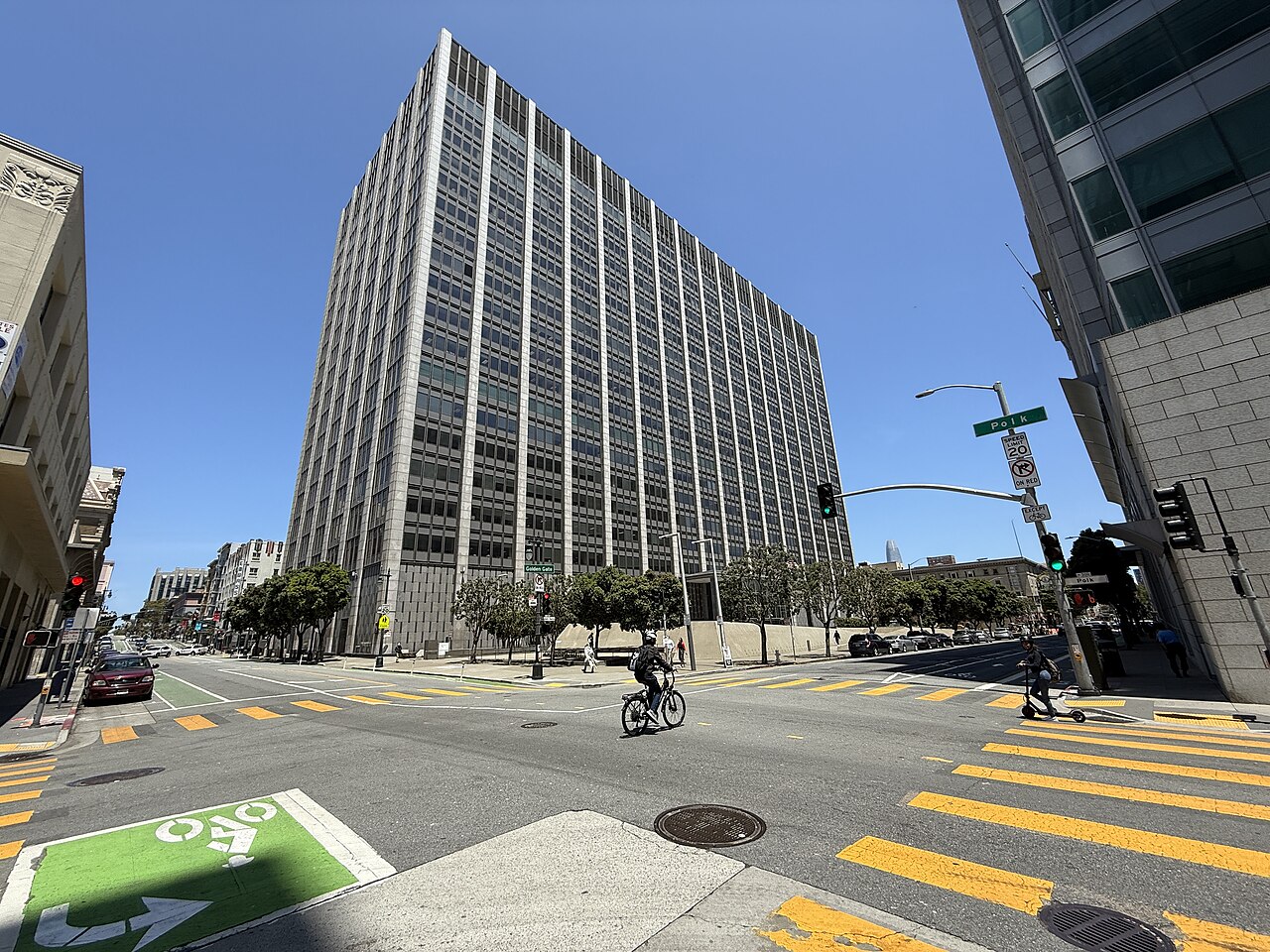
Abdulrahman Alfozan, 35, will stay in federal custody while his case moves forward. He worked as an engineer at OpenAI in San Francisco until this month. The FBI arrested him on Oct. 9.
He is accused of hiding an audio recorder in an executive conference room at the company. OpenAI security found the device on Sept. 30, plugged into a USB port on the back of a wall-mounted TV and wrapped in toilet paper. Prosecutors say he put it there two days earlier.
The room is used for leadership meetings and briefings with government officials and business partners, according to court filings.
On Monday, U.S. District Judge Alex Tse ordered Alfozan held without bail, finding there was a “significant” risk he would flee before trial.
The ruling followed a detention memo prosecutors filed Sunday night. It said Alfozan was in frequent communication with an unnamed member of the Saudi royal family. A Saudi military official paid for one-way tickets that carried his wife and baby out of the United States on Oct. 10, the day after his arrest.
The royal family member had tried several times to recruit Alfozan for an AI initiative in Saudi Arabia, the memo said. In one WhatsApp exchange quoted in the filing, the person wrote, “Saudi (Arabia) needs you more than the US.” Alfozan answered “100.”
The Saudi Consulate in Los Angeles offered to pay Alfozan’s full bail so he could be released. Tse called the offer “problematic.”
“The Saudi government is saying, ‘We’ll take care of everything, we’ll have supervision, we will pay the bond, we’re not going to approve any travel documents,’” Tse said. “But what confidence do I have that they’re going to protect the interests of the [U.S.] government?”
The judge noted that Alfozan would not have to reach Saudi Arabia to escape the charges. “He just has to go to Canada or Mexico.” The United States has no extradition treaty with Saudi Arabia.
The recorder was a thumb-sized circuit board with a microphone, prosecutors said. OpenAI told investigators the memory card appeared encrypted and its contents could not be read. A second, similar device turned up Oct. 5 in Alfozan’s unattended bag in another room at the office.
He is charged with using or attempting to use a device to intercept oral communications. The maximum penalty is five years in prison and a $250,000 fine.
The criminal complaint does not charge him with spying. But federal officials have framed the case in national security terms. U.S. Attorney Craig Missakian said, “For us it is a matter of national security.” FBI Director Kash Patel wrote on X that the engineer tried “to secretly capture sensitive communications about the company’s super intelligence tech.”
Prosecutors said the investigation is continuing and could bring “additional serious charges.”
Alfozan’s lawyer argued he was not a flight risk. The judge disagreed.
OpenAI fired Alfozan after the arrest. The company said it referred the matter to the FBI and has “no indications” that he accessed or took model weights, source code, or customer data.