Sánchez Calls Snap Election in Spain After Housing Vote Defeat
Pedro Sánchez announced a November 29 general election days after Congress rejected his government's housing measures, betting the issue that broke his minority government can rebuild it at the ballot box.
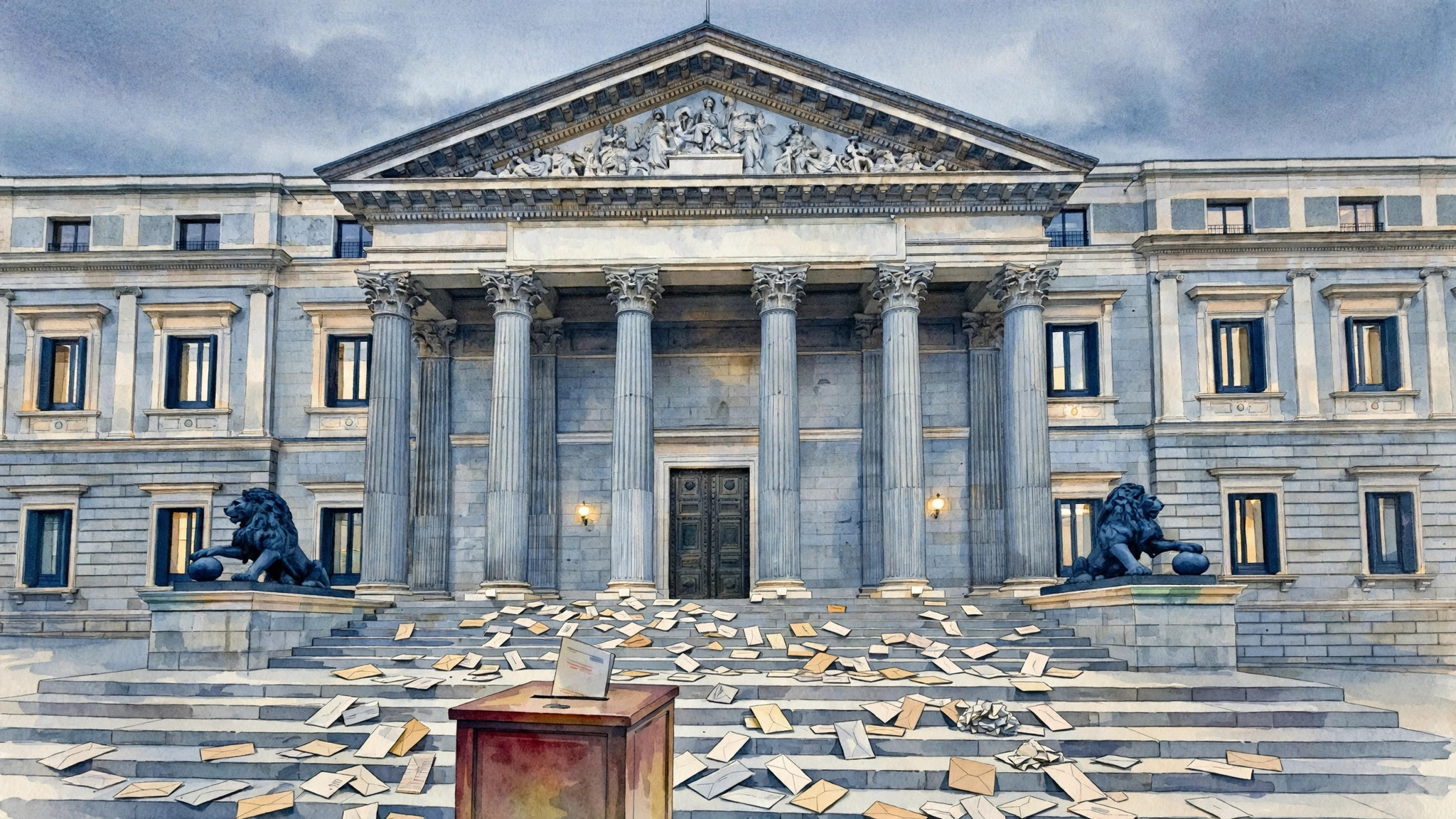
Spanish Prime Minister Pedro Sánchez called a snap general election on Monday, setting the vote for November 29. He announced it in a televised address to the nation from the Palace of Moncloa, his official residence in Madrid.
“The time has come for the Spanish people to decide what future they want for themselves and for their country,” Sánchez said.
The announcement came less than 72 hours after his minority government lost two housing votes in Congress on Friday. The first decree failed 178 to 172. The second failed 184 to 166 in the 350-seat chamber. Both needed the support of Junts, the Catalan separatist party, which voted against them alongside the conservative Popular Party and the populist right-wing Vox.
The decrees were the government's answer to Spain's housing crisis: eviction protections for vulnerable tenants and restrictions on speculative property purchases. After a weekend Moncloa called a period of “reflection,” Sánchez decided the parliamentary arithmetic no longer worked. The decree dissolving parliament is expected to be published Tuesday, and electoral law then sets a 54-day campaign ending on November 29.
The housing crisis has become Spain's most potent political issue. Tens of thousands took to the streets last week, and hundreds have camped for days in Madrid's Puerta del Sol. The outrage grew after the eviction of an 87-year-old woman from a flat she had occupied for 70 years, a case that became a national flashpoint.
Sánchez, 54, has been prime minister since 2018. He had planned to run the legislature to 2027 but never managed to pass a national budget. His government is framing the election as a choice: the decrees' defeat, his allies say, showed that the existing parliament blocks action on voters' biggest concerns. The gamble is that the issue that exposed his weakness in Congress can instead strengthen him at the ballot box.
The opposition reads Friday's vote the other way. Popular Party leader Alberto Núñez Feijóo had challenged Sánchez to call the election, arguing the defeat proved he no longer has a workable majority and that Spain needs a government capable of governing.