Nurse Killed in Attack on Congo Ebola Response Team
A nurse was killed and a health worker badly hurt in Bafwasende while answering an Ebola alert, the WHO said, in the deadliest outbreak in the country’s history.
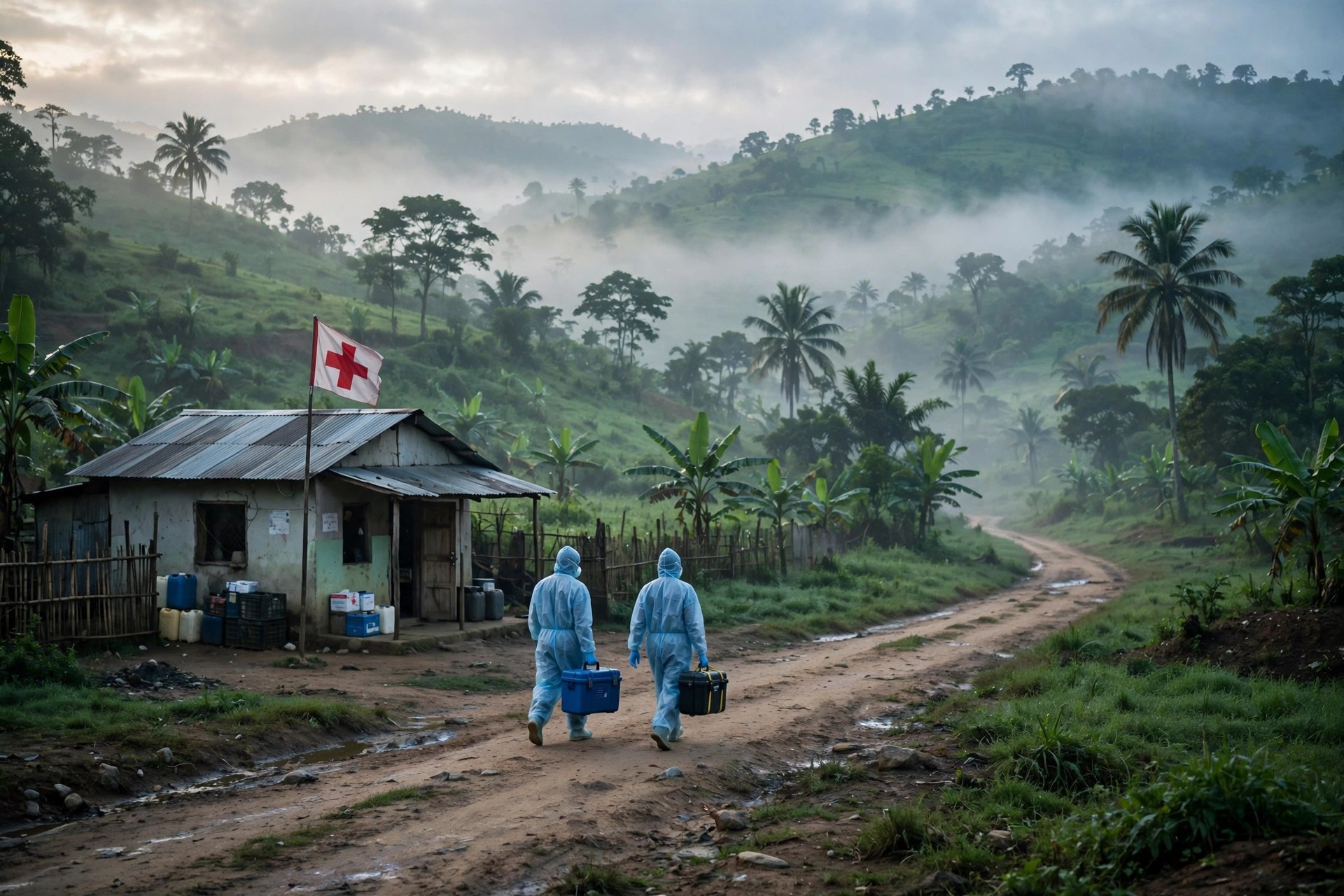
A nurse was killed and a health worker was badly hurt in an attack in eastern Congo on Saturday, while they were responding to an Ebola alert. The World Health Organization reported the attack on Monday.
The attack happened in Bafwasende, a rural town in Tshopo province. The United Nations said the nurse was killed by protesters. The injured worker remains in hospital.
Neither worker has been publicly named. No arrests have been reported, and local authorities have not said what set off the attack.
Julien Harneis, the UN’s senior Ebola response coordinator, condemned the attack and called for a thorough investigation. “I urge communities to protect health workers and allow them to carry out their work safely,” he said.
WHO Director-General Tedros Adhanom Ghebreyesus said the injured worker should make a swift and full recovery. “Everyone working to protect communities from this deadly disease must be able to work in dignity and safety,” he wrote. “Healthcare must always be protected.”
WHO Africa director Mohamed Janabi put the attack down to misinformation and fear. “Misinformation and fear must never fuel violence,” he wrote.
The deadliest outbreak in the country’s history
The outbreak is caused by the Bundibugyo virus, for which there is no approved vaccine. More than 9,760 cases and about 4,727 deaths have been recorded since the outbreak was declared on May 15, according to WHO figures.
That makes it the deadliest Ebola outbreak in the country’s history, and the second largest ever recorded. It has now reached eight provinces: Bas-Uélé, Haut-Uélé, Ituri, North Kivu, South Kivu, Sud Ubangi, Tshopo and Nord-Ubangi.
Violence against responders has run through the outbreak from the start. In May, tents at health centres were set alight in two attacks in a single week. Response teams have been held captive in some health zones, and teams handling safe burials have been threatened.
Last month, a Congolese politician was beaten to death in North Kivu after publicly defending the government’s Ebola response on a radio show, where he had urged people to follow measures such as social distancing and handwashing.
The WHO has begun a vaccine clinical trial in Congo. But vaccination and case-finding teams can only work where they can travel safely, and every attack forces teams to pull back, slows the tracing of contacts, and leaves alerts unanswered in the remote communities where the virus can spread unseen.
Neighbours tighten their defences
Uganda moved on Sunday to tighten screening at Entebbe International Airport and land border crossings, and imposed a 21-day quarantine on citizens returning from Congo.
Nigeria confirmed its first case last week, a woman who had travelled from Uganda. She and her husband, who is a contact, were medically evacuated to Switzerland on Monday morning. Both are Swiss citizens, and the WHO said the patient is clinically stable.
Nigeria will continue to monitor 52 contacts, the WHO said. The evacuation means Nigeria currently has no Ebola cases, but officials said vigilance remains critical.
In its October 23 situation report, the WHO warned that transmission remained intense in several Congolese provinces and called for stronger cross-border surveillance. It advised against general restrictions on travel or trade with affected countries.